
Harmonic Balancers

Built for Balance. Designed for Performance.
Protect your engine from harmful vibrations with our premium harmonic balancers. Designed to reduce crankshaft vibrations and ensure smooth engine operation, these components enhance performance and extend engine life. Whether you're replacing a worn-out balancer or upgrading for high-performance applications, our selection offers precision-engineered solutions for various makes and models. Trust our harmonic balancers for reliable performance and long-lasting durability.
-
GM LS Gen III and IV Truck and Gen IV LS Car High Performance 4 and 6 Groove Harmonic Balancer/Damper
Vendor:Top Street PerformanceSKU: 81113Regular price $325.91Sale price $325.91 Regular priceUnit price per$370.35Save $44.44 -
GM LT High Performance 4 and 6 Groove Harmonic Balancer/Damper
Vendor:Top Street PerformanceSKU: 81511Regular price $325.91Sale price $325.91 Regular priceUnit price per$370.35Save $44.44 -
GM LT High Performance Balancer/Damper
Vendor:Top Street PerformanceSKU: 81510BKRegular price $325.91Sale price $325.91 Regular priceUnit price per$370.35Save $44.44 -
Chevy Small Block 262 - 350 6 3/4" SFI Certified Gloss Black Harmonic Balancer
Vendor:Top Street PerformanceSKU: 31000Regular price $233.88Sale price $233.88 Regular priceUnit price per$265.78Save $31.90 -
Chevy Small Block 262 - 350 6 3/4" SFI Certified Harmonic Balancer
Vendor:Top Street PerformanceSKU: 30000Regular price $233.88Sale price $233.88 Regular priceUnit price per$265.78Save $31.90 -
Chevy Small Block 262 - 350 8" SFI Certified Harmonic Balancer
Vendor:Top Street PerformanceSKU: 30002Regular price $264.04Sale price $264.04 Regular priceUnit price per$300.05Save $36.01 -
Chevy Small Block 400 8" SFI Certified Harmonic Balancer
Vendor:Top Street PerformanceSKU: 30003Regular price $276.63Sale price $276.63 Regular priceUnit price per$314.35Save $37.72 -
Chevy Big Block 454-502 8" SFI Certified Harmonic Balancer
Vendor:Top Street PerformanceSKU: 30005Regular price $331.96Sale price $331.96 Regular priceUnit price per$377.23Save $45.27 -
Chevy Small Block 400 6 3/4" SFI Certified Harmonic Balancer
Vendor:Top Street PerformanceSKU: 30001Regular price $233.88Sale price $233.88 Regular priceUnit price per$265.78Save $31.90 -
GM LSX Black Steel High Performance SFI Harmonic Balancer/Damper
Vendor:Top Street PerformanceSKU: 81102BKRegular price $325.91Sale price $325.91 Regular priceUnit price per$370.35Save $44.44 -
Chevy Big Block 396-427 8" SFI Certified Gloss Black Harmonic Balancer
Vendor:Top Street PerformanceSKU: 31004Regular price $314.36Sale price $314.36 Regular priceUnit price per$357.23Save $42.87 -
Chevy Big Block 396-427 8" SFI Certified Harmonic Balancer
Vendor:Top Street PerformanceSKU: 30004Regular price $314.36Sale price $314.36 Regular priceUnit price per$357.23Save $42.87 -
Early Ford Small Block 6.4" Harmonic Balancer
Vendor:Top Street PerformanceSKU: 30006Regular price $205.24Sale price $205.24 Regular priceUnit price per$233.23Save $27.99 -
Ford Big Block 6.7" Harmonic Balancer
Vendor:Top Street PerformanceSKU: 30008Regular price $143.84Sale price $143.84 Regular priceUnit price per$163.45Save $19.61 -
Late Ford Small Block 5.0L 6.4" Harmonic Balancer
Vendor:Top Street PerformanceSKU: 30007Regular price $214.76Sale price $214.76 Regular priceUnit price per$244.05Save $29.29 -
Ford FE 7 1/2" SFI Certified Harmonic Balancer
Vendor:Top Street PerformanceSKU: 30009Regular price $200.00Sale price $200.00 Regular priceUnit price per$250.00Save $50 -
Ford FE Engine Harmonic Balancer
Vendor:CVF RacingSKU: 80009Regular price $134.95Sale price $134.95 Regular priceUnit price per -
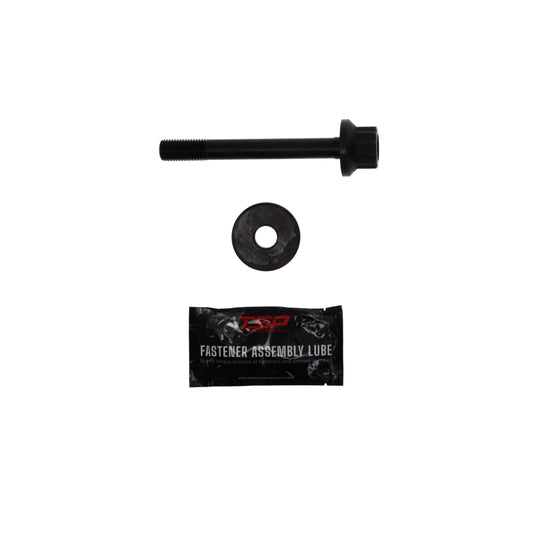
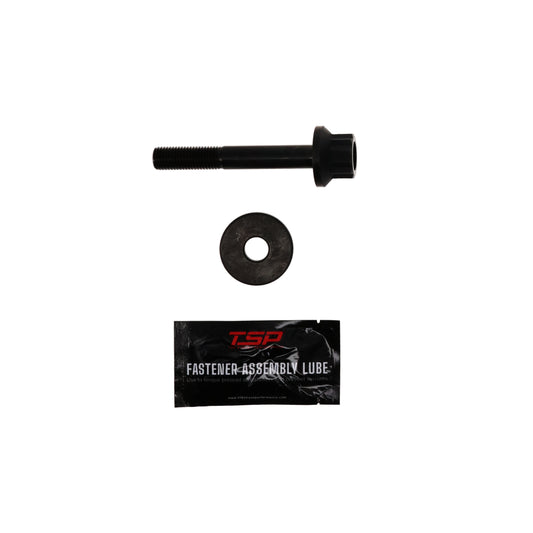
Pro Series GM Gen IV LS7 and Gen V LT1 Harmonic Balancer Damper Bolt Kit
Vendor:Top Street PerformanceSKU: 745-42088Regular price $16.10Sale price $16.10 Regular priceUnit price per$18.30Save $2.20 -
Pro Series GM Gen III/IV LS Harmonic Balancer Damper Bolt Kit
Vendor:Top Street PerformanceSKU: 734-42074Regular price $17.60Sale price $17.60 Regular priceUnit price per$20.00Save $2.40 -
Pro Series Ford 5.0L Coyote Harmonic Balancer Damper Bolt Kit
Vendor:Top Street PerformanceSKU: 635-42062Regular price $16.10Sale price $16.10 Regular priceUnit price per$18.30Save $2.20











About Our Harmonic Balancers
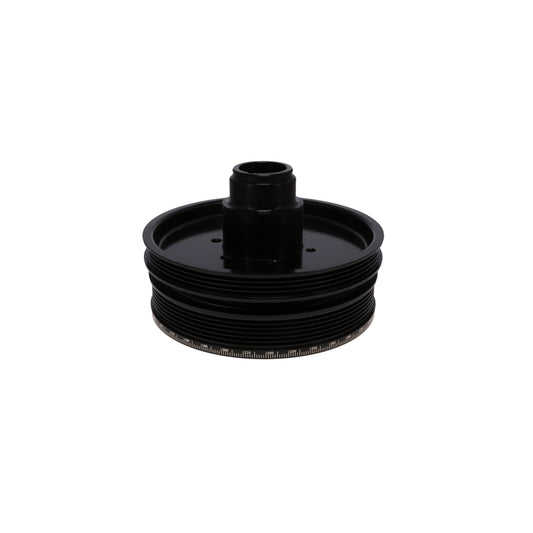
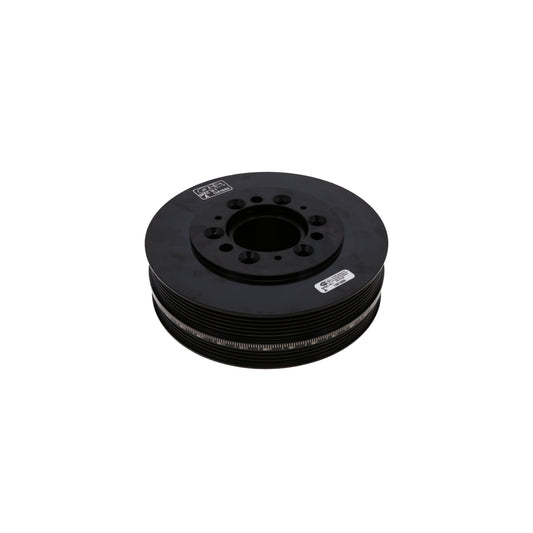
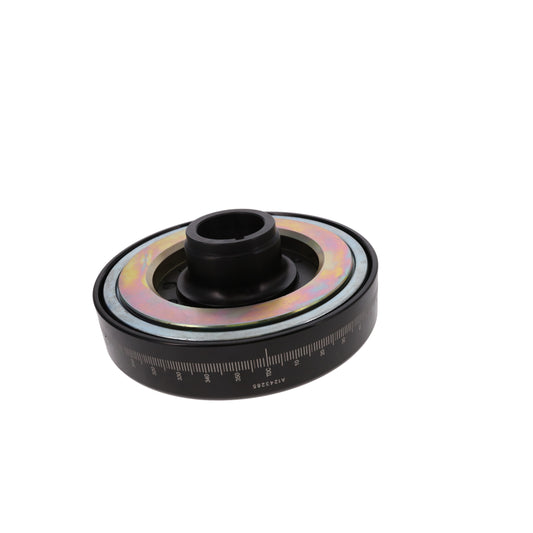
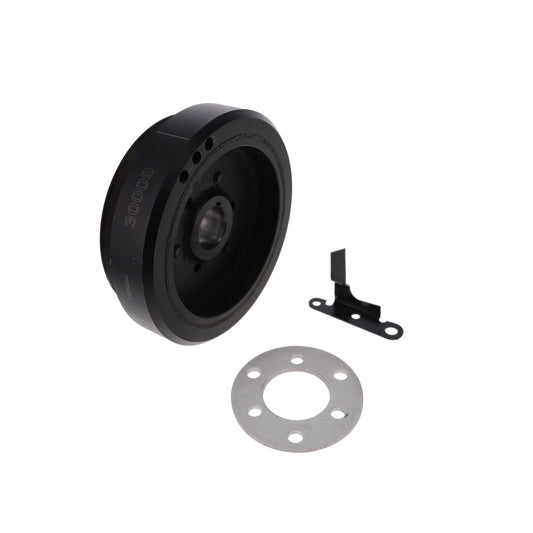
A harmonic balancer, also known as a crankshaft damper, is a critical component mounted at the front of the engine that helps reduce torsional vibrations created during combustion. As the engine operates, each firing pulse generates twisting forces on the crankshaft. The harmonic balancer absorbs and dampens these vibrations, helping prevent excessive stress and potential damage to engine components.
By minimizing these vibrations, the harmonic balancer plays a key role in maintaining smooth engine operation, improving reliability, and protecting the crankshaft from fatigue or failure. Without proper vibration control, these forces can lead to premature wear, reduced performance, or even catastrophic engine damage.
Upgrading to a high-performance harmonic balancer can provide improved damping characteristics, especially in engines with increased horsepower, higher RPM ranges, or modified rotating assemblies. Performance balancers are designed to handle greater stress and maintain stability under demanding conditions.
Whether you're restoring a classic engine or building a high-performance setup, choosing the right harmonic balancer is essential for protecting your engine, improving durability, and ensuring consistent performance across a wide range of operating conditions.